


-

Add: HeBei ShengShi HongBang Cellulose Technology CO.,LTD.
-

Email
13180486930@163.com -

CONTACT US
+86 13180486930



In the competitive realm of building materials and construction, the name HPMC easily resonates with industry insiders. HPMC, or Hydroxypropyl Methylcellulose, has a significant role, not just in construction, but also in other applications like pharmaceuticals and food products. However, the focus here is specifically on the construction product line and its branding identity, represented by the HPMC logo. The HPMC logo symbolizes innovation, quality, and reliability—a trifecta that every construction professional seeks. Through its unique visual identity, the HPMC logo encapsulates the essence of the brand, which is committed to enhancing the quality and longevity of construction projects globally. This symbolic representation differentiates it from competitors, offering a mark of excellence. Experience with HPMC products starts right from the visual interaction with its logo, often the first point of contact for potential customers or business partners. This logo becomes a beacon of trust . When adorned on packaging, brochures, or digital platforms, it assures clients of the consistent quality embedded in HPMC’s comprehensive portfolio of cellulose ethers, used extensively in cement, gypsum, and ceramics. For experts in the construction industry, the HPMC logo is a signifier of unparalleled expertise. Hydroxypropyl Methylcellulose has unique qualities such as water retention, thickening, and binding abilities, which are crucial in sustainable construction practices. The experts developing HPMC have engineered its products to perform efficiently under diverse environmental conditions, ensuring the stability and durability of constructions. Authoritatively, HPMC stands head and shoulders above others in the realm of cellulose ethers. Its logo is a testament to years of research and development. The technological advancements encapsulated by HPMC have been recognized by industry leaders, accrediting it as a go-to material for high-performance construction solutions. Its use in high-rise buildings, bridges, and other complex infrastructures underscores its authority in the field. The trustworthiness of the HPMC brand can be attributed in part to the consistent representation and quality assurance denoted by its logo. In an industry where safety and reliability are paramount, the HPMC logo comes to signify peace of mind. Construction professionals rely on this assurance, knowing that adherence to strict quality control protocols backs every product marked with the HPMC insignia. hpmc logo HPMC's products are not just made; they are crafted, with each batch being a testament to the company’s commitment to excellence. The meticulously designed logo is an assurance that whether you're working on small-scale renovations or large-scale infrastructural endeavors, the materials you use will perform to the highest standards. Additionally, the HPMC logo also plays a role in sustainable construction solutions. With increasing demand for environmentally responsible building practices, products bearing the HPMC logo are often formulated to reduce environmental impact. This contributes significantly to LEED certifications and other green building standards, enhancing the credibility of projects and ensuring compliance with global sustainability goals. In essence, the HPMC logo does far more than signify a product line—it tells a story of dedication to performance, innovation, and integrity. It is an emblem that carries forward the core values and unparalleled standards of HPMC, offering an edge in the competitive market landscape. The brand's commitment to research and development further underpins its potential to lead in innovative solutions, continually setting standards for quality in the construction industry. The symbiotic relationship between the HPMC logo and its promise of quality underscores a value proposition that competitors aspire to—and customers trust unwaveringly. Builders, architects, and contractors around the globe look to this symbol with confidence, knowing that the materials they choose will deliver exceptional performance, project after project. Overall, the HPMC logo not only reflects the company's expansive expertise and authoritative standing in the industry but also reinforces its commitment to reliability and trustworthiness. It represents a blend of technological innovation and proven performance, making it a vital asset to construction professionals worldwide.
- 40000tons

Production
- 20+years

Experience
- 5000+㎡

Acreage

-
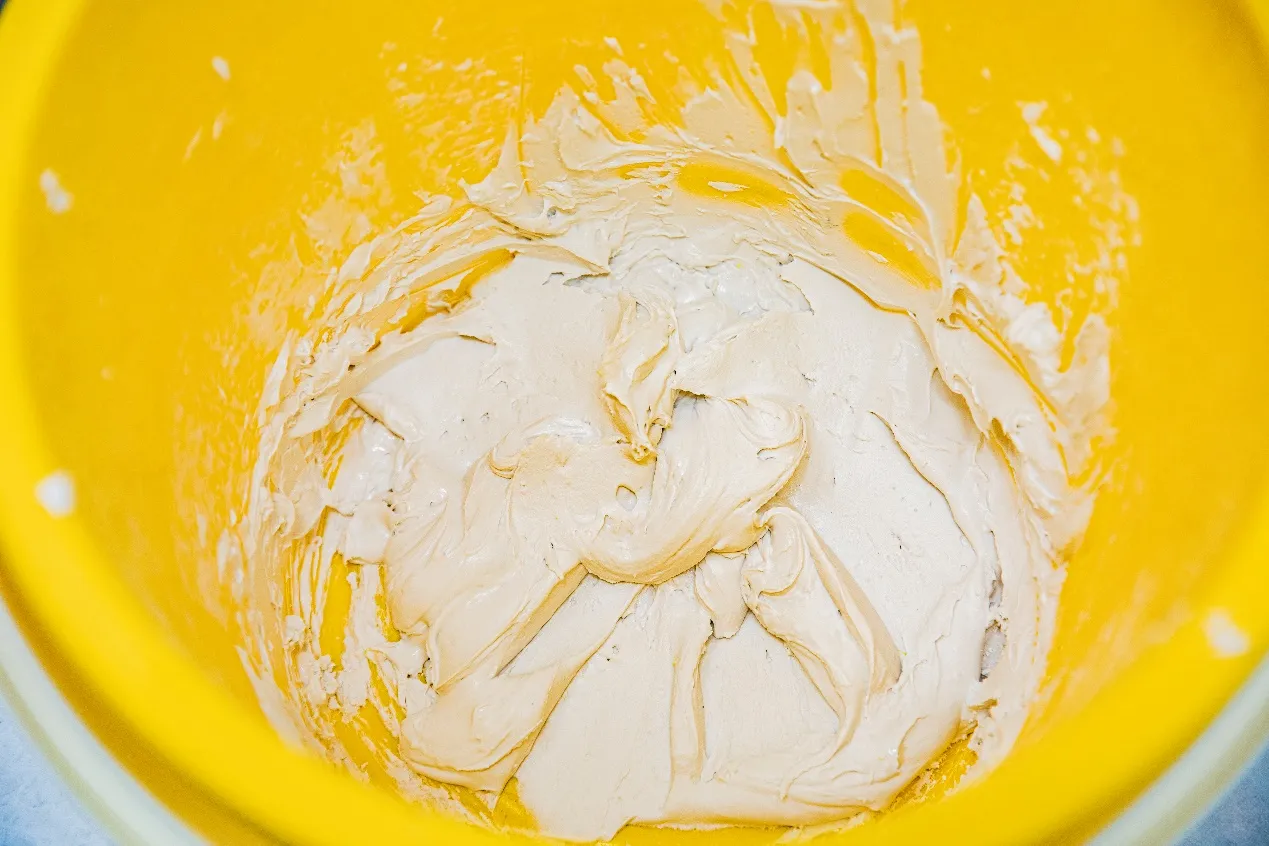
The Emergence of Wood Pulp Fiber A Sustainable Alternative In recent years, the pursuit of sustainable materials has gained significant momentum, leading to innovative solutions in various industries, from textiles to construction. One such innovation is wood pulp fiber, a versatile material derived from the decomposition of wood into its fibrous components. As societies become increasingly aware of the environmental impacts of conventional materials, wood pulp fiber stands out as an eco-friendly alternative that offers numerous benefits. Understanding Wood Pulp Fiber Wood pulp fiber is primarily extracted through the pulping process, where wood logs are processed to separate cellulose fibers from lignin and hemicellulose. This process creates a raw material that can be transformed into a range of products, including paper, textiles, and biodegradable plastics. The most common types of wood used for pulp are softwoods such as pine and fir, which are favored for their long cellulose fibers that contribute to strength and flexibility. Environmental Benefits One of the most compelling advantages of wood pulp fiber is its sustainability. As it originates from trees, a renewable resource, the lifecycle of wood pulp products can be much shorter compared to synthetic fibers like polyester, which are derived from petroleum. Furthermore, responsibly sourced wood pulp contributes to forest health by promoting sustainable forestry practices that ensure trees are replanted, preserving biodiversity, and maintaining carbon sequestration. The Emergence of Wood Pulp Fiber A Sustainable Alternative Versatility Across Industries fibra hecha de pulpa de madera The versatility of wood pulp fiber makes it an attractive alternative for various applications. In the textile industry, wood pulp can be converted into lyocell or modal fabrics, which are not only soft and breathable but also produced in a closed-loop process that significantly reduces water pollution compared to conventional cotton production. These fabrics are gaining popularity in fashion due to their comfort, environmental credentials, and stylish finish. In the packaging sector, wood pulp fiber is paving the way for biodegradable packaging solutions. As consumers demand more sustainable packaging options, wood pulp provides a solution that can help reduce the environmental footprint of e-commerce, food delivery, and retail packaging. Challenges and Future Outlook Despite its numerous advantages, the adoption of wood pulp fiber is not without challenges. The availability of sustainably sourced wood can sometimes limit production, and the technology for processing wood into fiber continues to evolve. However, as awareness and demand for sustainable materials rise, investment in research and development is likely to accelerate, opening new avenues for efficient production methods and innovative uses for wood pulp fiber. Moreover, as regulatory frameworks continue to support sustainable practices and combat climate change, wood pulp fiber stands on the brink of becoming a mainstream material in various industries. Companies are recognizing the importance of aligning their supply chains with sustainability goals, making wood pulp fiber an attractive option that meets consumer demand for eco-friendly products. Conclusion Wood pulp fiber represents a promising shift towards sustainability, offering an environmentally friendly alternative to traditional materials across diverse industries. Its biodegradable nature, coupled with the potential for sustainable production, positions it as a key player in the movement towards a greener future. As both consumers and manufacturers increasingly prioritize sustainability, wood pulp fiber could very well become a staple in our daily lives, supporting a healthier planet for generations to come.
-
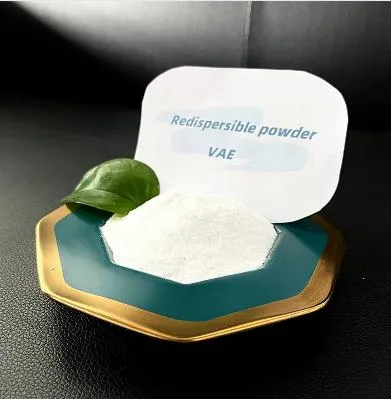
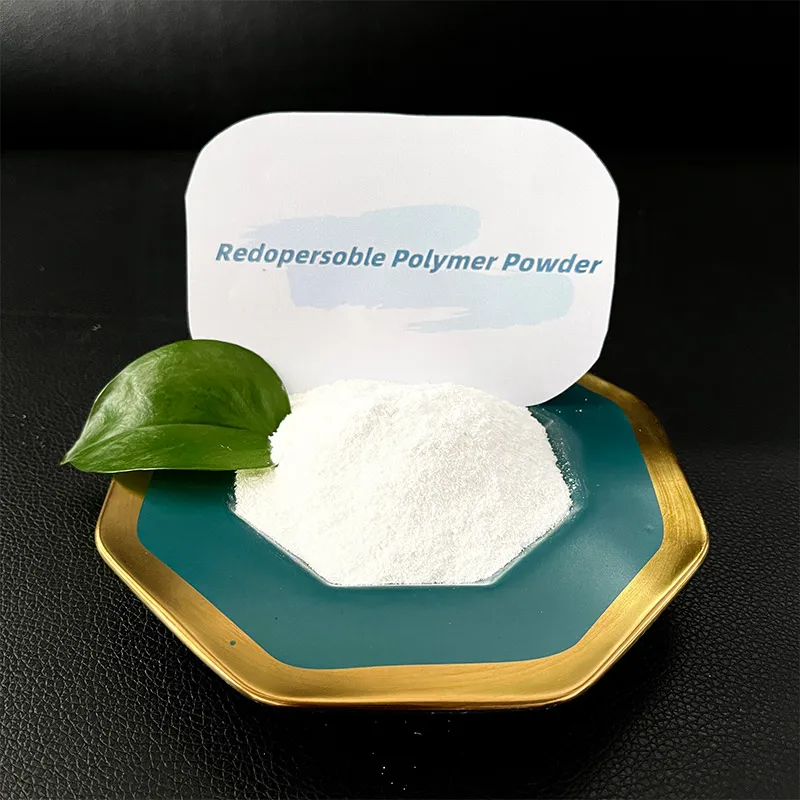
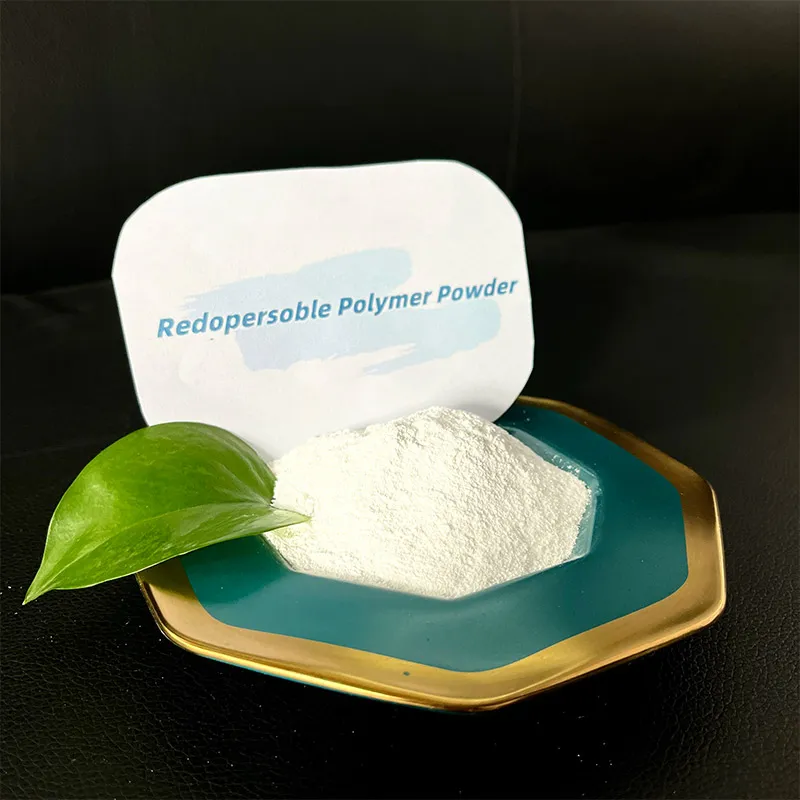
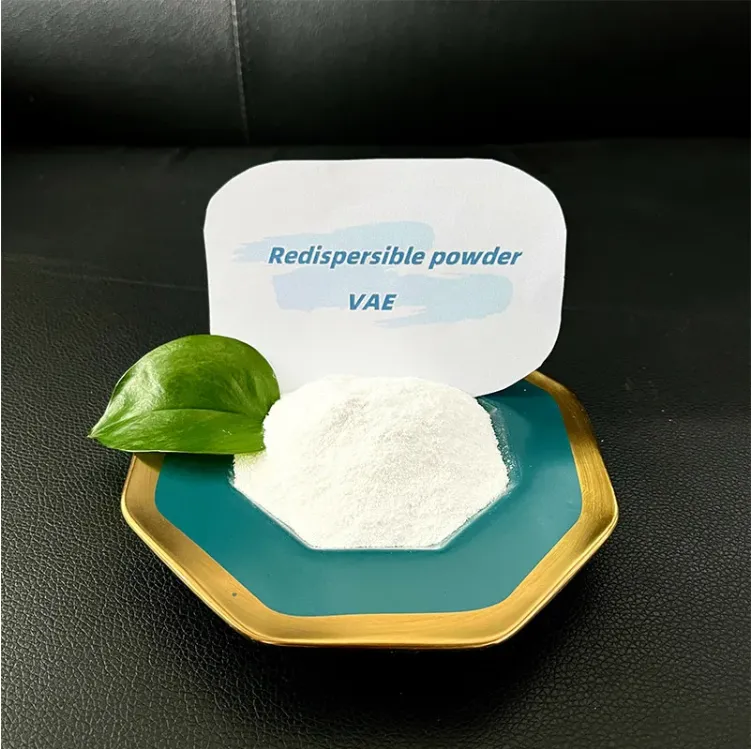
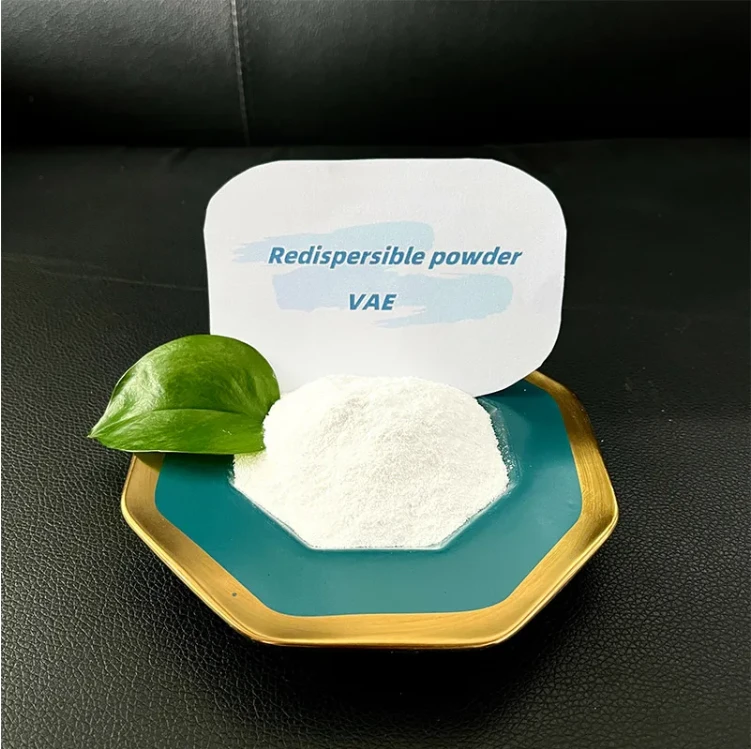
Company Overview HeBei ShengShi HongBang Cellulose Technology CO.,LTD. Visit Official Website Tel: +86 13180486930 Mobile: +86 13180486930 Email: 13180486930@163.com Address: HeBei ShengShi HongBang Cellulose Technology CO.,LTDRoom 1904, Building B, Wanda Office Building, JiaoYu Road, Xinji City, Hebei Province Product Details Product Name: Redispersible powder VAE Product Overview: Re-dispersible polymer powder products are a significant innovation in the realm of construction and industrial applications, offering versatile solutions due to their unique properties and capabilities. Product URL: https://www.sshbhpmc.com/redispersible-powder-vae.html Introduction to Redispersible Emulsion Powder and Its Industrial Importance Redispersible emulsion powder is a specialized additive manufactured from synthetic resin polymers, commonly VAE (Vinyl Acetate-Ethylene) copolymers. This advanced material is primarily designed to enhance flexibility, adhesion, water resistance, and workability in a variety of applications, especially within the construction sector. As a fine free-flowing powder, redispersible emulsion powder is produced by spray drying polymer emulsions with protective colloids. Upon contact with water, the powder re-disperses rapidly into a stable emulsion, restoring its original properties and integrating seamlessly into cement, mortar, and gypsum-based systems. According to the ScienceDirect Redispersible Polymer Powder Overview , “Redispersible powders are indispensable in drymix mortars, offering enhanced bonding strength and flexibility while improving end-user convenience.” With modernization and rising quality requirements in new buildings, renovations, and prefabricated components, redispersible latex powder and related products like polymer powder have seen a steady upward trend in demand worldwide. Industry Trends: Market Growth and Application Prospects The redispersible emulsion powder market is witnessing robust growth thanks to its rising utilization in: Durable tile adhesives High-flexibility wall putties and plasters Self-leveling flooring compounds External insulation & finishing systems (EIFS) Waterproofing membranes and hydro-insulation layers Gypsum-based renderings and repair mortars Flexible cementitious grouts According to Mordor Intelligence , the global redispersible powder market is expected to surpass USD 3.5 billion by 2027, driven by mega construction projects, sustainable building practices, and rapid infrastructure development in Asia-Pacific, Middle East, and Latin America. Key Chemical and Technical Parameters Table Parameter Typical Value (VAE Type) Significance Appearance White, free-flowing powder Ensures ease of drymix blending Solid Content (%) ≥98.0 Indicates quality, performance reliability Particle Size (µm) 80–150 Impacts dispersibility in mixes pH Value 5.0–8.0 Compatible with cementitious systems Polymer Base VAE (Vinyl Acetate-Ethylene Copolymer) Delivers desired flexibility and strength Minimum Film Forming Temperature (°C) 0–5 Enables application in various climates Redispersibility (%) ≥95.0 Assures rapid, thorough reactivation in water Protective Colloid Polyvinyl alcohol (PVA) / Cellulose ethers Affects stability and shelf-life Bulk Density (g/L) 400–600 Facilitates volumetric dosing Technical Parameter Trends ( Redispersible Emulsion Powder ) VAE Redispersible Powder: Application Scenarios and Value Proposition VAE redispersible powder , such as the "Redispersible powder VAE" by HeBei ShengShi HongBang Cellulose Technology, is essential in: Tile adhesives & grouts – ensures powerful bonding, improved slip resistance, and flexibility. EIFS/ETICS – critical for weather resistance and crack bridging in insulation systems. Self-leveling screeds – imparts smooth application, shrinkage control, and higher durability. Gypsum plasters – upgrades their strength and surface cohesion. Waterproofing mortars – improves adhesion and abrasion resistance in wet areas. Repair mortars – boosts structure repair with excellent adhesion and flexibility. Innovative product engineering and the continuous improvement in VAE polymerization, as highlighted in ResearchGate studies , have broadened the versatility and market reach of redispersible powders in construction and industrial fields. Comparison & Visualization of Redispersible Powder VAE Technical Indicators The graphs above present a comprehensive view of redispersible powder VAE technical characteristics, confirming reliability and optimal performance for advanced construction chemistry. FAQ: Professional FAQ about Redispersible Emulsion Powder (VAE Type) 1. What is Redispersible Emulsion Powder made of? Primarily synthesized from VAE (Vinyl Acetate-Ethylene) copolymers , combined with protective colloids such as PVA and cellulose ethers, ensuring stability and easy re-dispersion. 2. What are the available grades/specs for construction applications? Different grades depend on polymer composition and particle size; e.g., grades with varying ethylene/VAc ratios, solid content (≥98%), and minimum film forming temperature for climate adaptability. 3. What installation standards are supported? Redispersible emulsion powders conform to standards like ASTM C472, EN 12004 (Tile Adhesives), and ASTM C91 (Masonry Mortars), ensuring compliance with both local and international regulations. 4. How does redispersible powder improve final mortar properties? It enhances flexibility, tensile strength, water resistance, workability, adhesion , and crack resistance—making mortars more durable and reliable under varying site conditions. 5. Are there environmental or safety certifications? Yes. Major polymer powder producers like SSHB hold ISO9001, ISO14001 certifications, and raw materials meet REACH & RoHS directives for environmental safety. 6. Can redispersible latex powder be stored long-term? What are best practices? Absolutely. Store below 30°C in a dry, sealed condition, avoid direct sunlight, and use moisture-resistant packaging. Standard shelf life is 12–24 months. 7. How does VAE compare with other polymer base options? VAE offers superior flexibility and workability at an economical cost, whereas acrylic-based powders focus on higher water resistance but at increased cost. Why Choose HeBei ShengShi HongBang Cellulose Technology CO.,LTD.? Expertise: Over a decade producing redispersible emulsion powder for clients across five continents, serving both generic and customized OEM/ODM requests. Authoritativeness: Renowned technical R&D team and laboratory, cited by forums like ChemLinked . Trustworthiness: Strict quality control, traceable raw materials, and robust logistics management support global projects reliably. “The integration of VAE-based redispersible emulsion powders in high-performance mortars continues to reshape the construction chemistry landscape.”— Journal of Cleaner Production References & Industry Citations For additional technical insights, market data, and scholarly analysis on redispersible emulsion powder and redispersible powder VAE , consult: ScienceDirect – Redispersible Polymer Powder ResearchGate – Application of Redispersible Polymer Powder in Mortar Mordor Intelligence – Market Report ChemLinked – Market Analysis Journal of Cleaner Production To order redispersible emulsion powder , customized VAE grades, or to consult with our experts, please contact HeBei ShengShi HongBang Cellulose Technology CO.,LTD. by email at 13180486930@163.com or call +86 13180486930 .
advantages
-

200000 Viscosities
Excellent product
We can produce pure products up to 200,000 viscosities
-

40000 tons
High yield
We don’t stop production all year round, and the annual output can reach 40,000 tons
-

24 hours
Quality service
We provide 24-hours online reception service, welcome to consult at any time
———— Inquiry Form
Schedule A services

-
 cellulose_wood
Oct . 25, 2025
Exploring the Intricacies of Hydroxyethyl Starch (HES) A Critical Product Insight Hydroxyethyl starc -
 pp_fiber_for_road_pavement
Oct . 25, 2025
When weighing the benefits of HPMC (Hydroxypropyl Methylcellulose) against HEMC (Hydroxyethyl Methyl -
 cellulose_wood_putty
Oct . 25, 2025
HPMC Church blends tradition with contemporary values, offering a unique experience that resonates w


